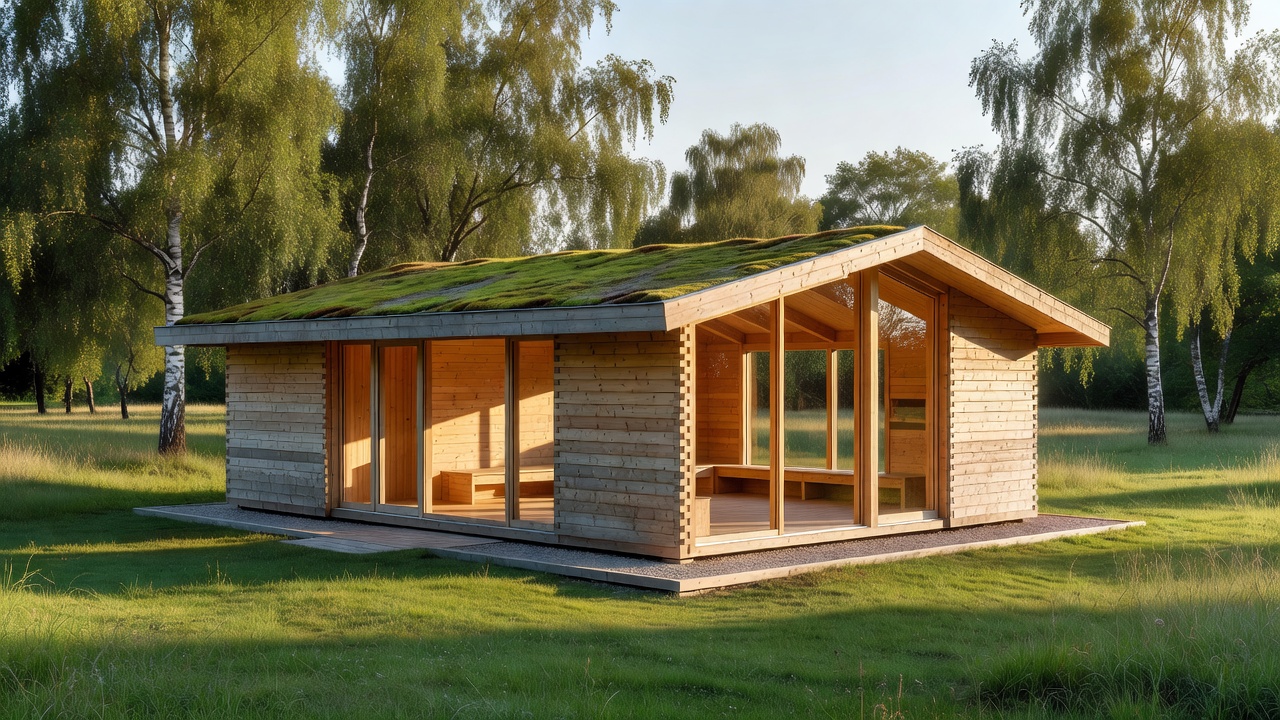
1. Pale Timber & Reusable Canopies
Danish stage builders have pioneered the use of FSC-certified Nordic pine and larch glulam beams to construct modular, dismountable stage pavilions. Unlike conventional welded steel scaffolding that requires immense carbon expenditure to haul across continents, timber structures are stored in regional hubs and re-engineered into community benches, bike sheds, and park shelters after their festival lifespan.
2. Circular Waste Protocols & Upcycling
At Roskilde and NorthSide, festival waste is not viewed as refuse, but as valuable material feedstock:
- Multi-Use Cup Systems: High-density polypropylene cups are collected, sanitized in mobile industrial washers on-site, and reused over 80 cycles.
- Organic Composting: Food leftovers and biodegradable cardboard plates are converted into high-grade compost for Danish regenerative agriculture.
- Tent Recovery Programs: Abandoned camping equipment is sorted by volunteer teams, refurbished, and distributed to emergency aid organizations or upcycled into outerwear.
3. Renewable Microgrids and Battery Buffers
Replacing diesel generators with high-voltage clean grid taps and localized mobile lithium-iron-phosphate (LFP) battery storage systems ensures that peak musical lighting and bass amplification run entirely on Danish wind and solar production with zero localized particulate emissions.